Ever wonder what hidden treasures lie beneath our feet? Imagine a world where every step you take holds untapped secrets, waiting to be discovered beneath the surface. What if the simple act of digging in the soil could reveal mysteries that have the power to reshape your understanding of life itself? Join me on a journey of soil and wonder as we delve into the enchanting world of organic mystery of science.
This is where science, nature, and humanity intertwine in the most unexpected ways. It is a secret garden of wonder once you open yourself to a new view. As a non-traditional returning student, my passion for environmental communication is fueled by an unrelenting curiosity about the “how” and “why” behind humanity’s intrinsic bond with the natural world. Each of us plays a reflective and personal role in this relationship. I was not always inclined to connect with nature, until one day, my perspective shifted dramatically through the lens of my three-year-old son.
Back then, my son’s natural inclination to explore the outdoors and savor every moment of touch, feel, and wonder transformed our experiences. Together, we became explorers, delving into the mysteries of the soil and the joy of being outside. The world around us was suddenly magical, and the new ability to see dirt became clear. I realized I was no longer taking for granted what is aimless around us in our surroundings. Soil is a natural material for growing abundant resources.
Understanding the “how” of soil creation is simple. The composition is brilliantly made with air, water, and organic matter. Just that alone is a remarkable component to share. It is essential to understand that all dirt is not the same; each time you create dirt, you will understand that the climate, the environment, and the conditions are what make your reality of your personal experience. Science is essential to acknowledge in a human experience and cultural diversity. With this blog, it is my goal to inspire and share what agricultural needs are within each one of us to share in a growing population, making our own personal space a little bit of heaven with simple ways to make our own foods. These foods can be herbs, fruits, and vegetables.
Organic Soil Method
Have you ever wondered what makes soil organic? The secret lies beneath the surface. Scientists have been exploring aspects of our world’s diverse culture to soil and how it is an ever-changing component of our livelihood and food sources. In agriculture, there are impacts from daily shifts with fossil fuels, pesticides, and emissions (Scialabba & Müller-Lindenlauf, 2010). In short, organic farming helps fight climate change, makes farms more resilient, and can provide better income for farmers.
However, there is a need for more research to understand its full benefits and how to apply it everywhere. There is among us an organic wave to admire through these challenges, but it takes on a small micro exhibit to change. I decided that to learn more about organic soil, I went to a small local garden in Oxnard, California, called Roots Garden.
Learning Local Compost
Roots Garden in Oxnard, CA is one of the best places I have explored as a newcomer to the environmental movement. As an advocate, the organic soil created here is referred to as “liquid gold” and has given me countless moments of discovery and learning. This “liquid gold” is rich in nutrients and beneficial microorganisms that promote healthy plant growth. Unlike synthetic fertilizers, organic soil improves soil structure, enhances water retention, and supports a diverse ecosystem of soil organisms.
At Roots Garden, this process is a labor of love, driven by a commitment to sustainability and community well-being (Oxnard, 2025). This small local nonprofit garden brings meaningful, resourceful purposes to all individuals involved. The artwork and cultural contributions integrated into the garden showcase how science and art breathe life into humanity.
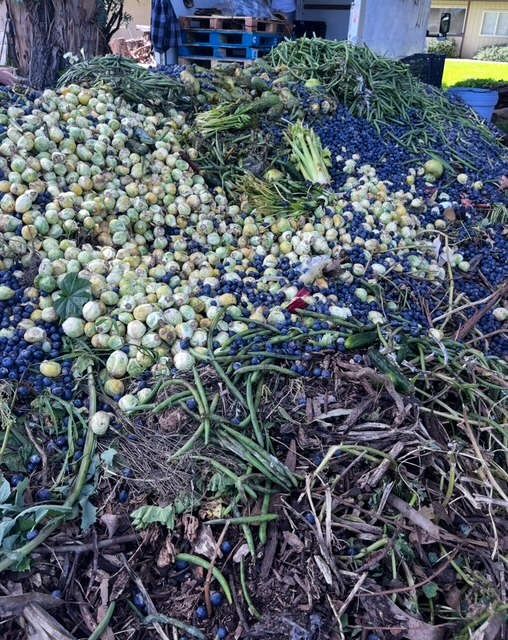
It recognizes that humans cannot thrive in isolation; instead, we must oversee the land and understand how it sustains us. As I guide you through the science behind this “black gold” soil, I created an infographic to show what materials contribute to this compost in the garden.
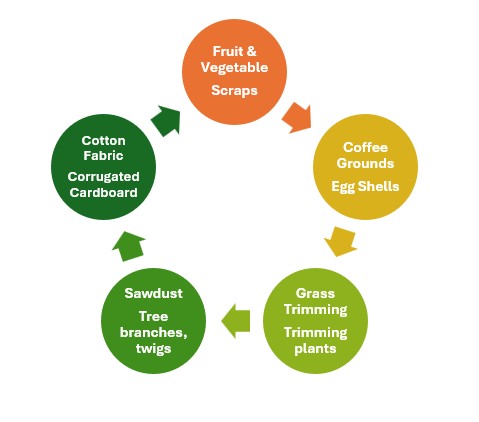
Infographic: The Composting Process
- Collection: Organic waste like kitchen scraps and yard waste are collected from the community.
- Layering: Materials are layered to balance nitrogen and carbon, promoting efficient decomposition.
- Aeration: Regular turning of the compost pile ensures proper aeration and accelerates decomposition.
- Decomposition: Microorganisms break down organic matter into humus, enriching the soil with nutrients.
- Finished Compost: The nutrient-rich compost, or “black gold,” is ready to nourish plants and improve soil health.
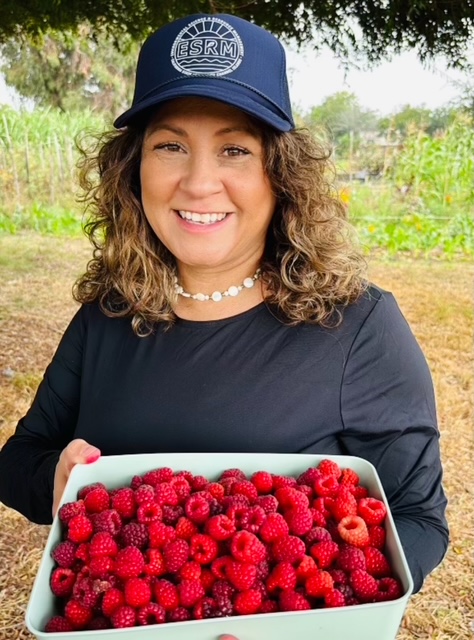
The daily resources are a combined community effort to allow fresh produce to be available to many locals members who need food. Although the garden is small in quantity, it does create soil biology, and those practices support an interactive relationship to how anyone can grow in knowledge with an understanding of organic farming practices.
This awareness is small in soil management, but what it does demonstrates the support to policies that protect and enhance soil health. In other words, while scientists understand how vital soil life is, this knowledge has not reached or engaged the broader public and policymakers as much as it should (Pauli et al., 2016). Farmers worldwide have challenges with their methods and practices and have even changed global farming practice.
I am a small example of the change. I admire this shift and help others like me to grow in the new way to educate. It is not a one-size-fits-all solution to organic soil. The terms of how the rules are guided in farming for organic in the agricultural system are an ever-growing inventory to our foods, and this is the new lead to undergo and exchange the system, steering away from crops with chemicals that are harmful to our natural food sources.
So, what is your next step? Whether you are a seasoned gardener, a curious student, or simply someone who cares about our planet, there’s always something new to learn and share. Dive into the world of organic soil, join a local community garden. Start your own composting project at home. The hidden magic of soil can create a healthier, more sustainable future for generations to come.